Space Data Is Closer to Everyday Life Than It Looks
Every flood warning, crop forecast and climate report increasingly depends on something most people never see: data collected from space. Satellites now watch the planet continuously, and the value of that information depends on how well it can be processed, shared and understood.
That is the field MAHANAKORN is moving deeper into through a new international partnership.
A Partnership Formed in Shanghai
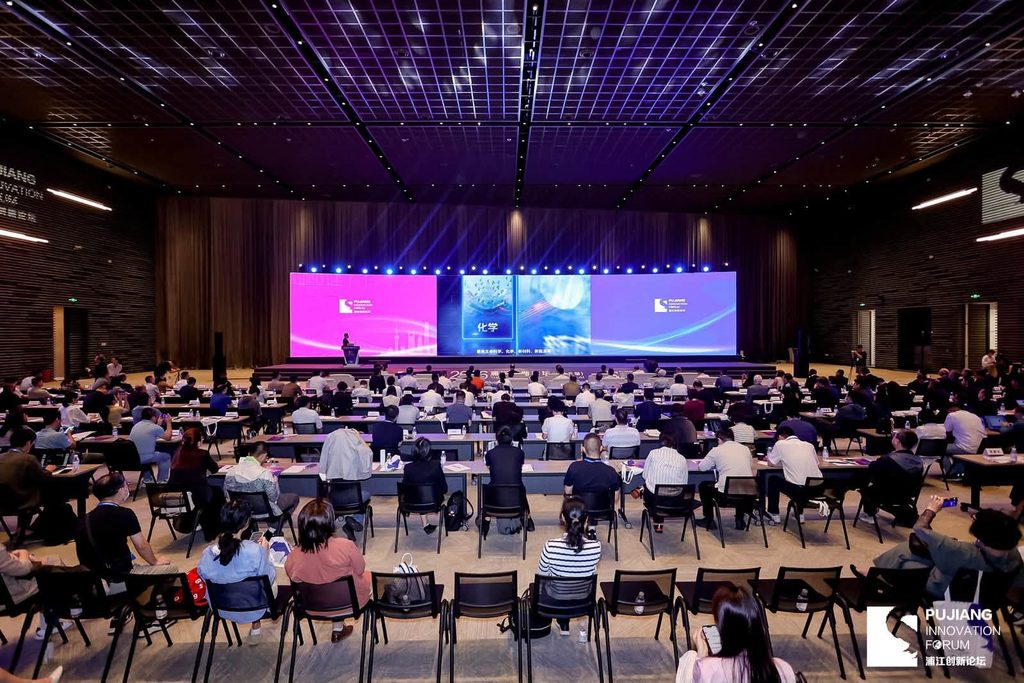
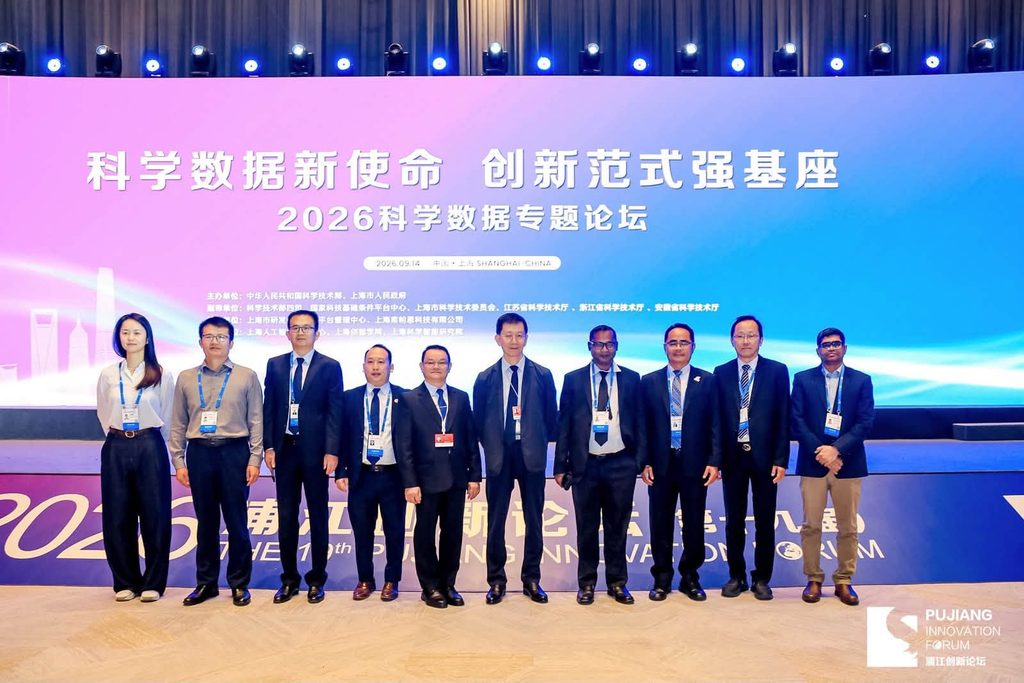
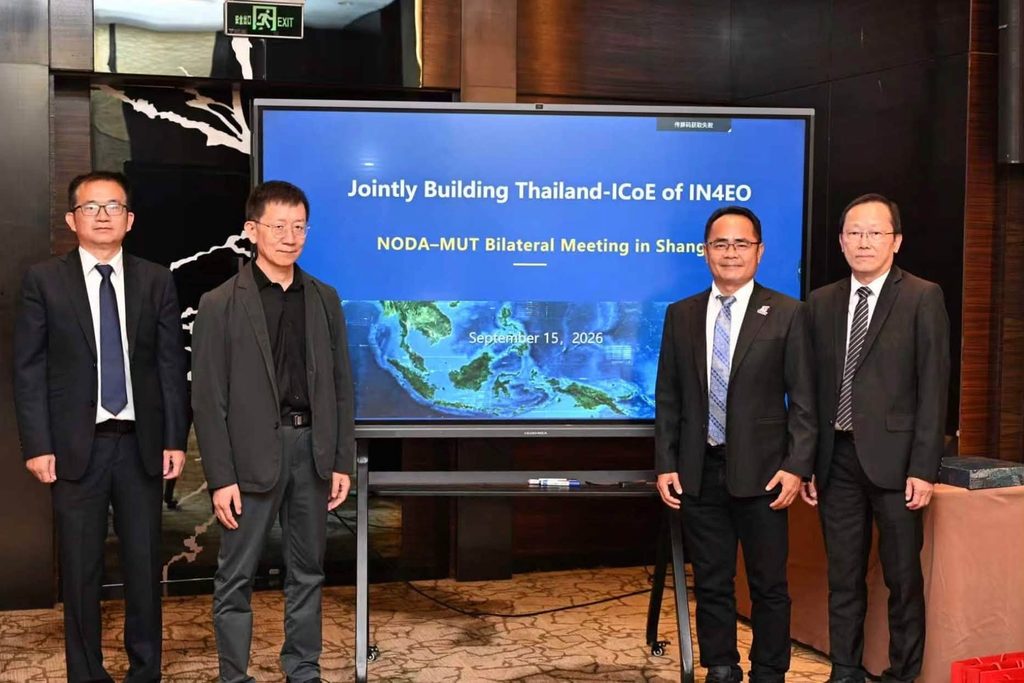
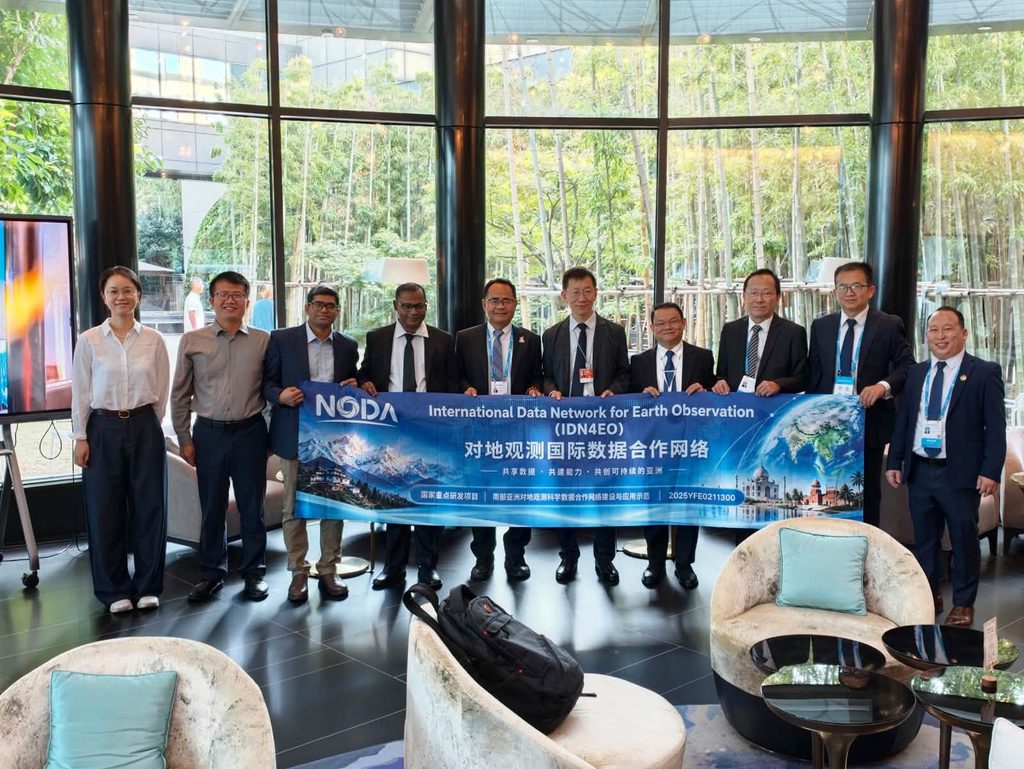
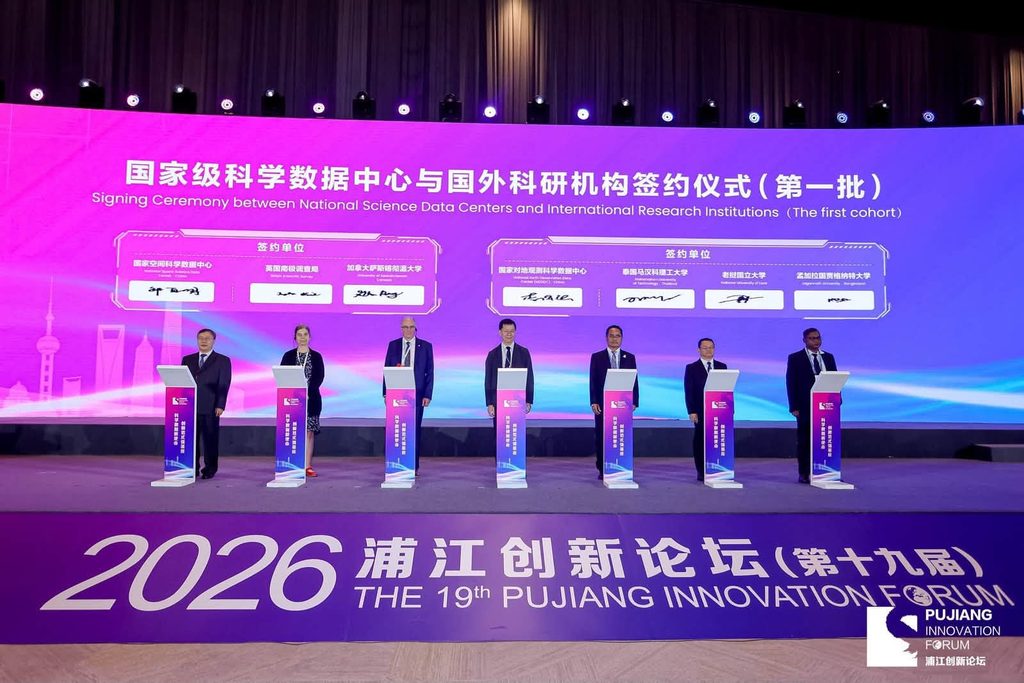
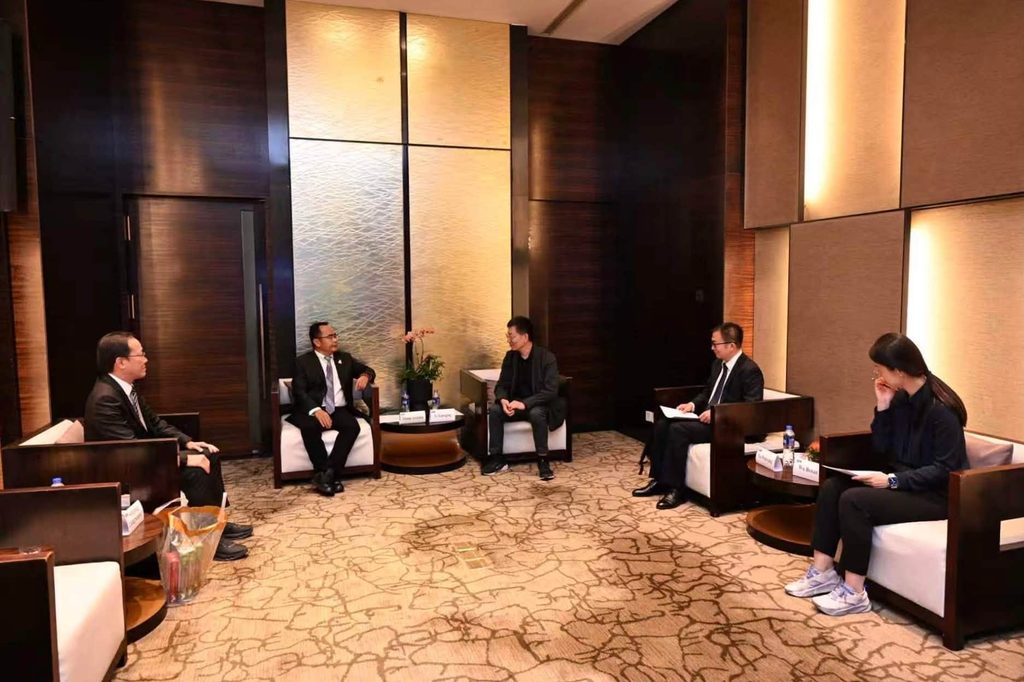
Between 13 and 16 September 2026, a MAHANAKORN delegation travelled to Shanghai, China, to discuss cooperation in space technology and the use of space-based data for Earth observation.
The delegation was led by Asst. Prof. Dr. Manop Aupimai, Vice President for Space Technology, together with Dr. Sompong Liangrocapart, Head of the Physics Department and project lead for the new centre.
During the visit, MAHANAKORN signed a memorandum of understanding with the Aerospace Information Research Institute (AIR) of the Chinese Academy of Sciences (CAS) to jointly establish an International Centre of Excellence (ICoE) in Earth observation data science. The collaboration focuses on sharing satellite and space-technology data for research and peaceful applications, exchanging knowledge, and developing skilled people in the field.
What an Earth Observation Data-Science Centre Actually Does
Earth observation means using satellites and other space technology to monitor the planet — land, oceans, weather, forests, cities and more.
But raw satellite data is not useful on its own. It arrives in enormous volumes and needs to be cleaned, processed and analysed before it can answer a real question, such as where a flood is spreading, how farmland is changing, or where a city is growing.
That is what data science adds. A centre like the ICoE is built to turn continuous streams of Earth observation data into information that researchers, governments and industries can actually use — and to train the people who can do that work.
Why This Matters If You Study Here
MAHANAKORN has worked in satellite and space technology for decades, and this partnership connects that experience with one of the largest research systems in the world.
For students, a collaboration like this can create exposure to international research environments, real satellite datasets, and the data-science skills that sit at the centre of modern space technology. It links classroom learning in electronics, computing and physics with work that has direct applications on the ground.
It also points to where the field is heading. Space technology is no longer only about launching hardware; increasingly, the advantage belongs to those who can make sense of the data it produces.
Where Could You Take It Next?
Computer & AI Engineering
Learn the data processing, analytics and intelligent systems used to turn raw satellite imagery and Earth observation data into usable information.
Explore Computer & AI Engineering →
Communication & Electronics Engineering
Build the electronics, signal processing and communication systems behind satellites, sensors and the ground stations that receive their data.
Explore Communication & Electronics Engineering →
Postgraduate Research
Join advanced research and international collaborations in space technology, Earth observation and data science through master’s and doctoral pathways.
Explore Postgraduate Research →
Space technology no longer ends at the launch pad — its real power now belongs to the people who can read the data the sky sends back.