Space Data Is Closer to Everyday Life Than It Looks
Every flood warning, crop forecast and climate report increasingly depends on something most people never see: data collected from space. Satellites now watch the planet continuously, and the value of that information depends on how well it can be processed, shared and understood.
That is the field MAHANAKORN is moving deeper into through a new international partnership.
A Partnership Formed in Shanghai
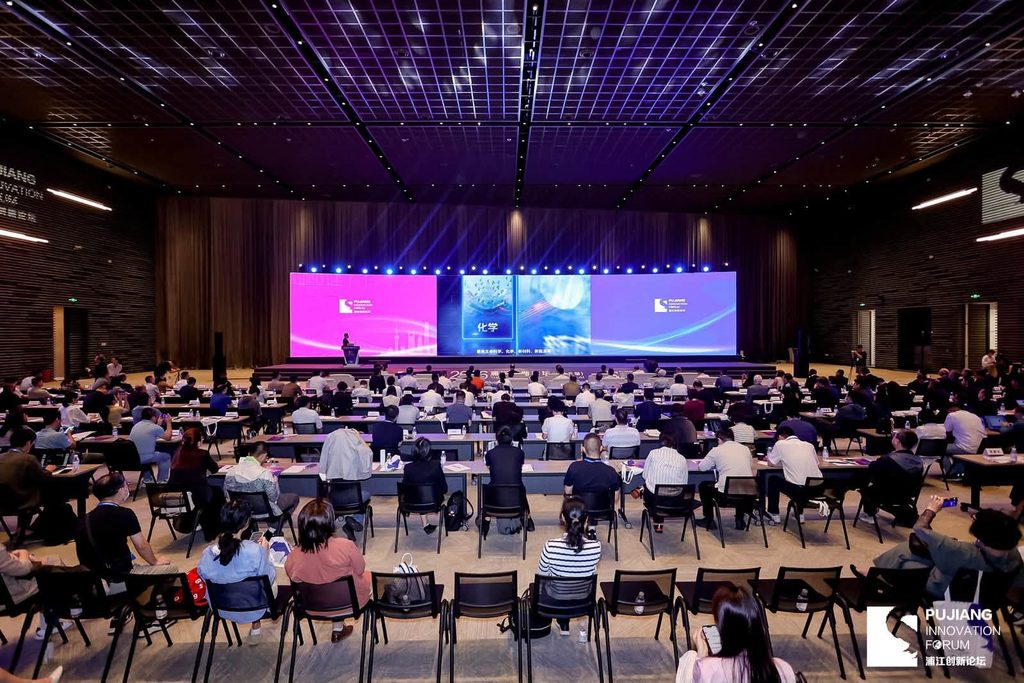
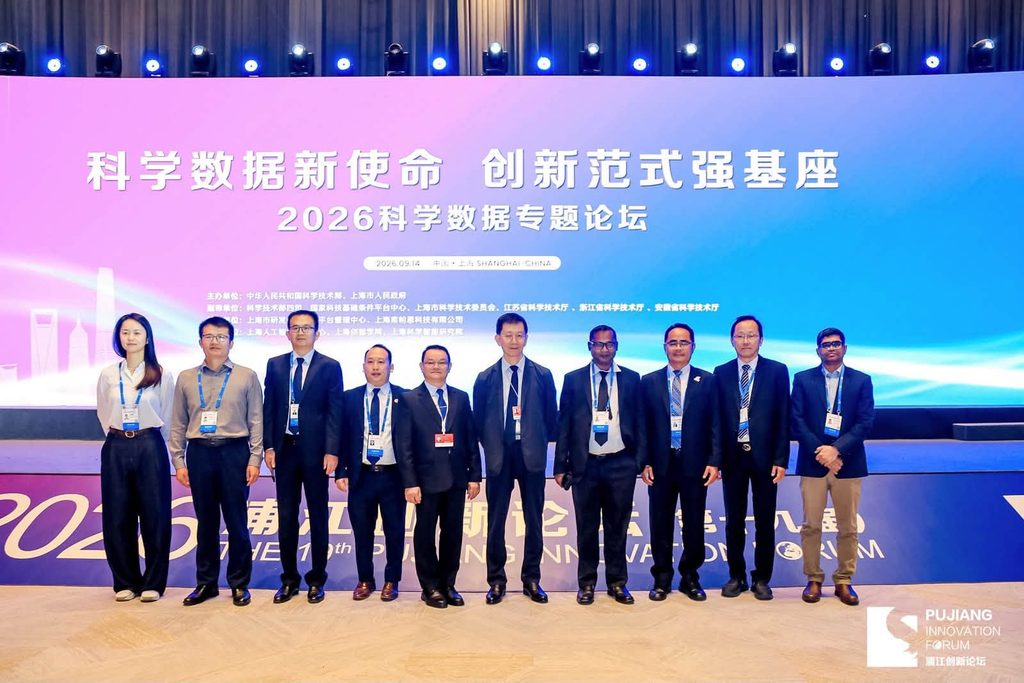
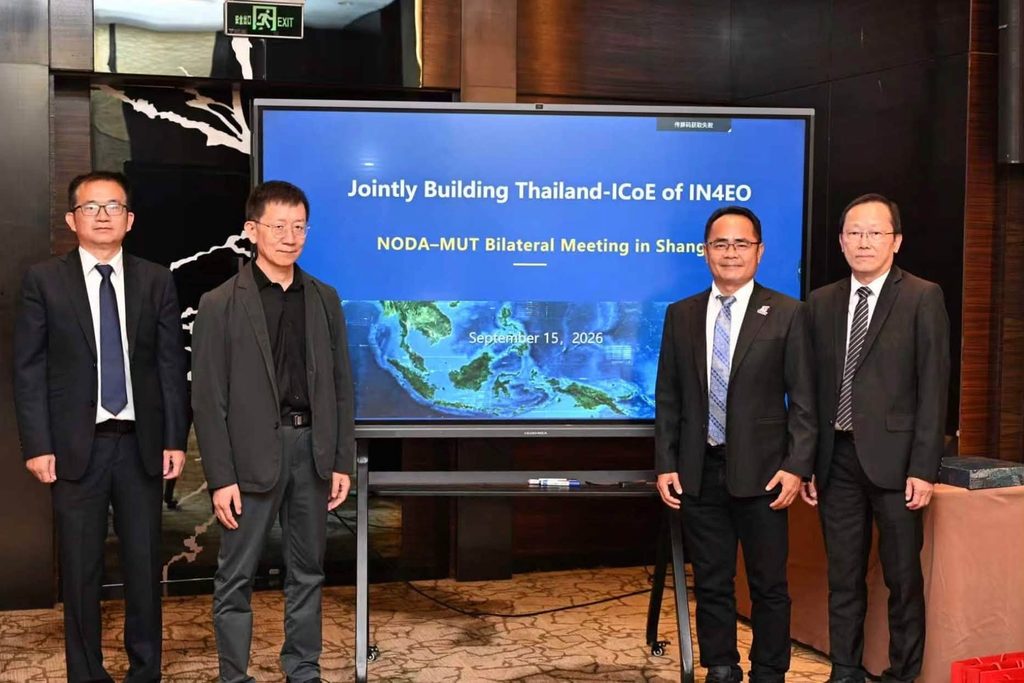
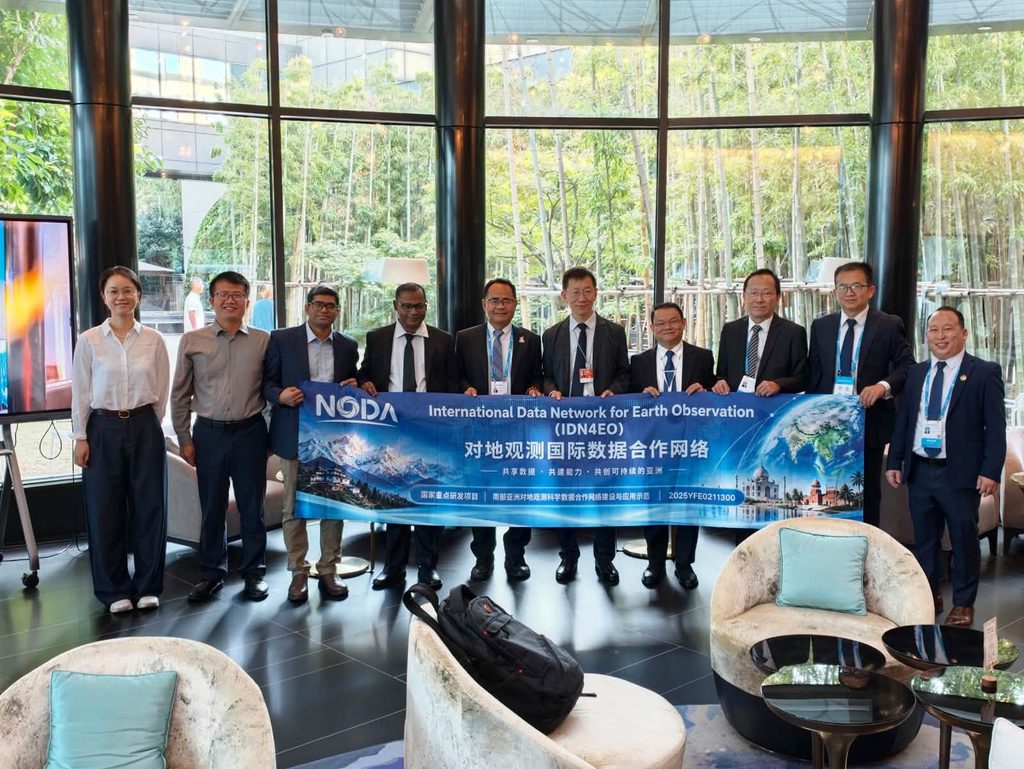
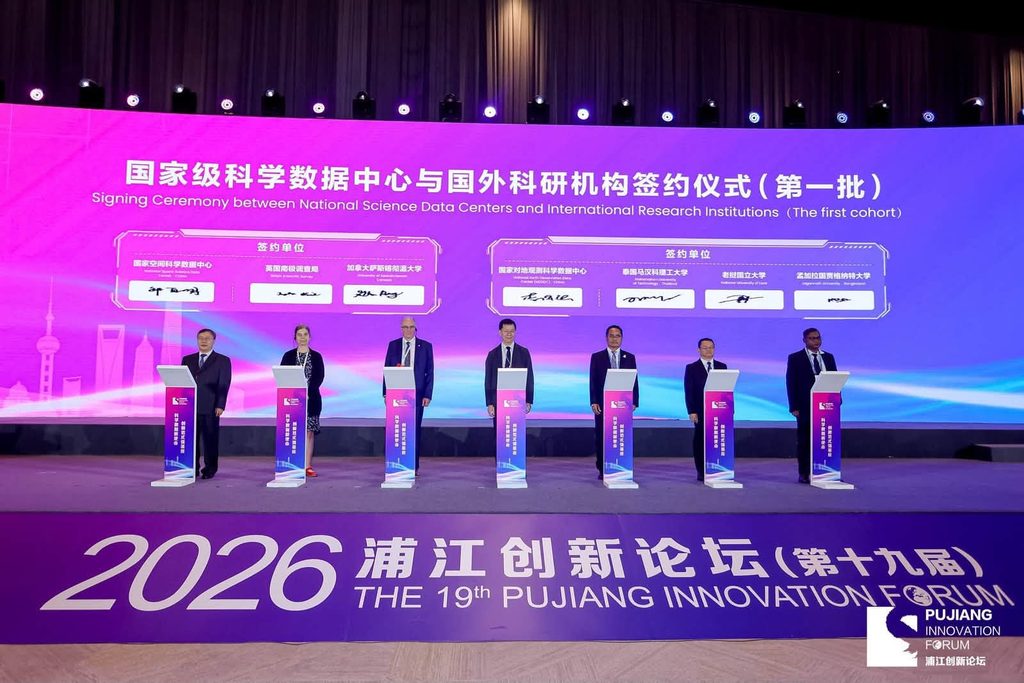
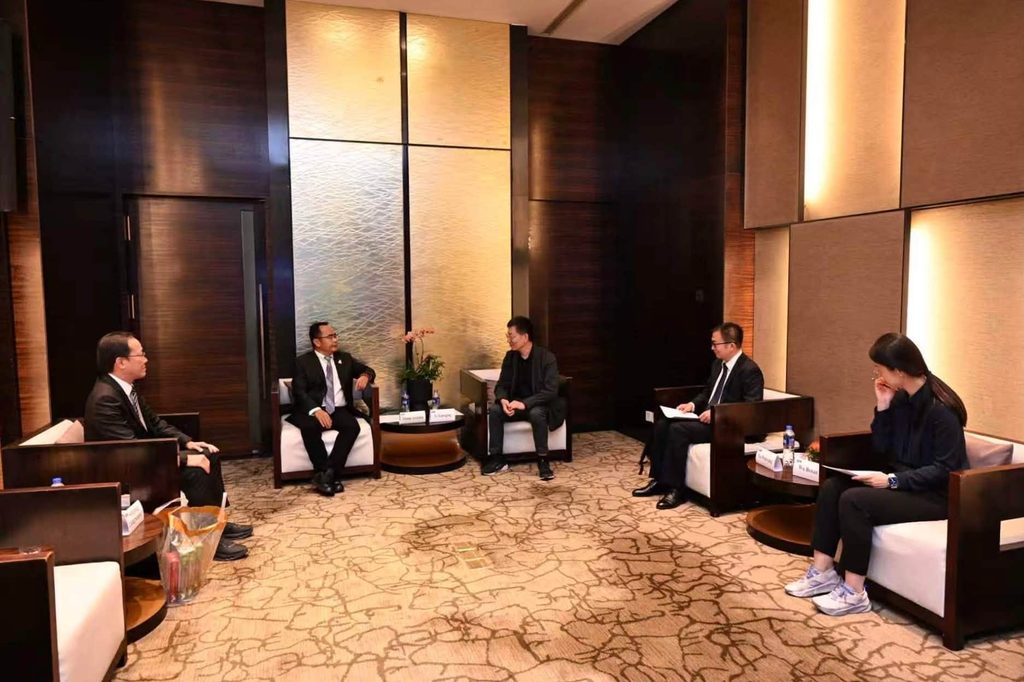
Between 13 and 16 September 2026, a MAHANAKORN delegation travelled to Shanghai, China, to discuss cooperation in space technology and the use of space-based data for Earth observation.
The delegation was led by Asst. Prof. Dr. Manop Aupimai, Vice President for Space Technology, together with Dr. Sompong Liangrocapart, Head of the Physics Department and project lead for the new centre.
During the visit, MAHANAKORN signed a memorandum of understanding with the Aerospace Information Research Institute (AIR) of the Chinese Academy of Sciences (CAS) to jointly establish an International Centre of Excellence (ICoE) in Earth observation data science. The collaboration focuses on sharing satellite and space-technology data for research and peaceful applications, exchanging knowledge, and developing skilled people in the field.
What an Earth Observation Data-Science Centre Actually Does
Earth observation means using satellites and other space technology to monitor the planet — land, oceans, weather, forests, cities and more.
But raw satellite data is not useful on its own. It arrives in enormous volumes and needs to be cleaned, processed and analysed before it can answer a real question, such as where a flood is spreading, how farmland is changing, or where a city is growing.
That is what data science adds. A centre like the ICoE is built to turn continuous streams of Earth observation data into information that researchers, governments and industries can actually use — and to train the people who can do that work.
Why This Matters If You Study Here
MAHANAKORN has worked in satellite and space technology for decades, and this partnership connects that experience with one of the largest research systems in the world.
For students, a collaboration like this can create exposure to international research environments, real satellite datasets, and the data-science skills that sit at the centre of modern space technology. It links classroom learning in electronics, computing and physics with work that has direct applications on the ground.
It also points to where the field is heading. Space technology is no longer only about launching hardware; increasingly, the advantage belongs to those who can make sense of the data it produces.
Where Could You Take It Next?
Computer & AI Engineering
Learn the data processing, analytics and intelligent systems used to turn raw satellite imagery and Earth observation data into usable information.
Explore Computer & AI Engineering →
Communication & Electronics Engineering
Build the electronics, signal processing and communication systems behind satellites, sensors and the ground stations that receive their data.
Explore Communication & Electronics Engineering →
Postgraduate Research
Join advanced research and international collaborations in space technology, Earth observation and data science through master’s and doctoral pathways.
Explore Postgraduate Research →
Space technology no longer ends at the launch pad — its real power now belongs to the people who can read the data the sky sends back.
Digital Transformation Is Really a People Problem
When people talk about the digital age, the conversation usually jumps straight to technology — AI, data, automation, new platforms. But most organisations don’t struggle because the tools are missing. They struggle because their people aren’t yet ready to use them.
That is why developing talent has become one of the defining challenges of the digital economy. It was also the focus of a recent MAHANAKORN MBA session that brought a national policy perspective directly into the classroom.
A National Perspective, Brought Into the Classroom
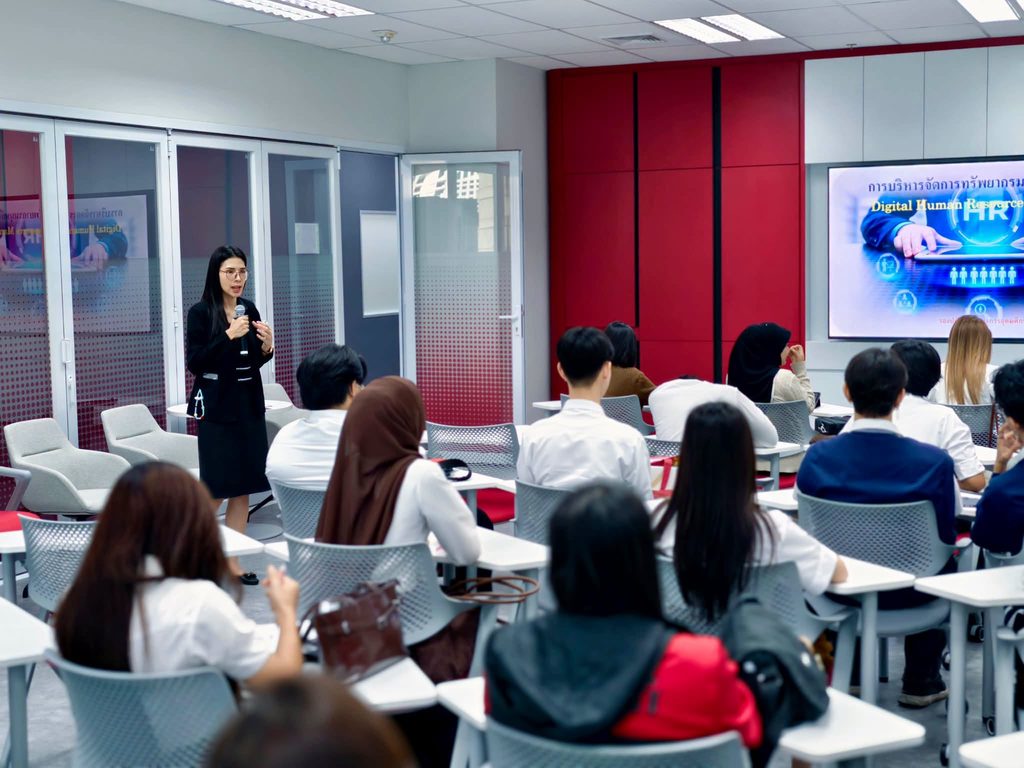
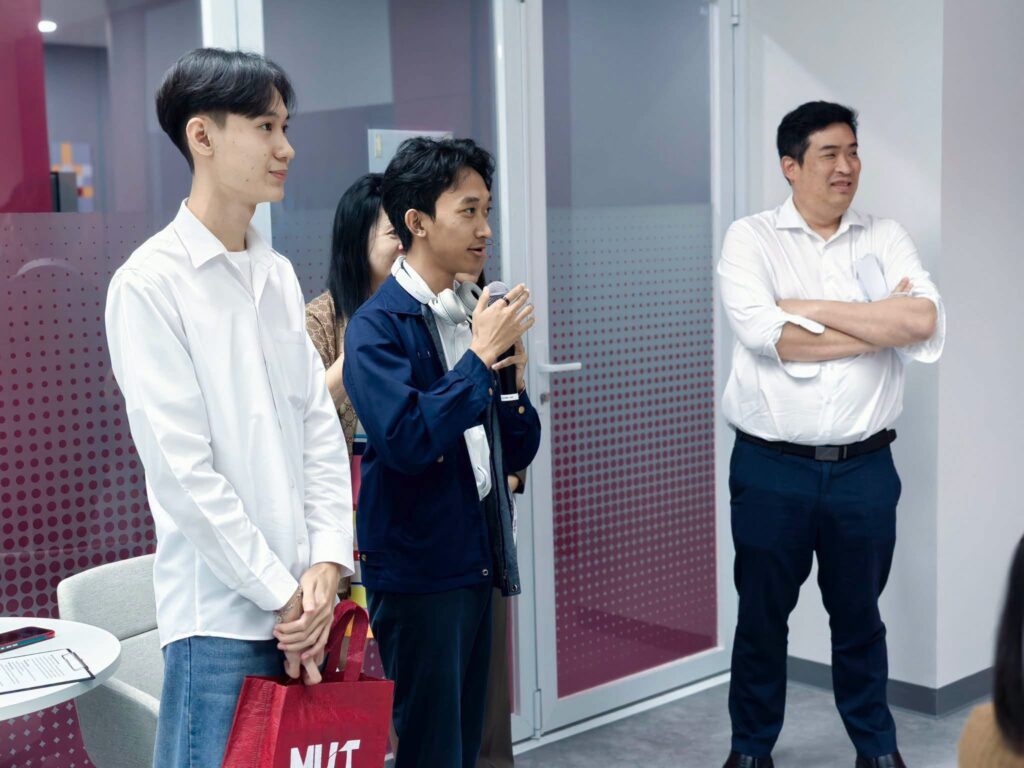
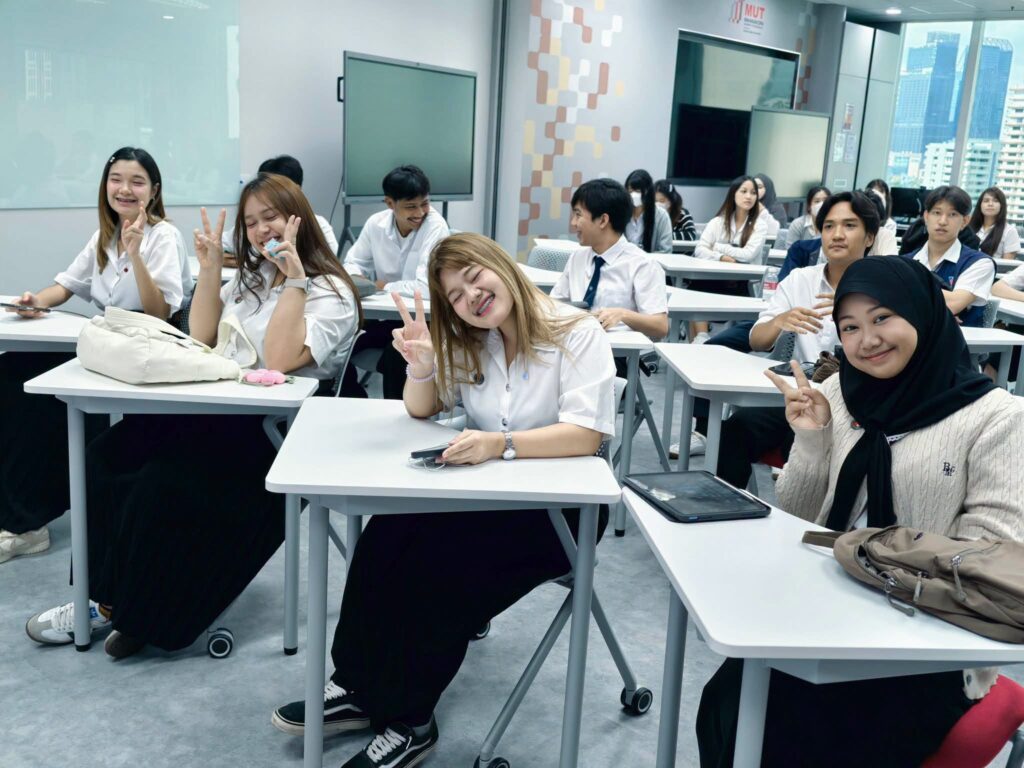
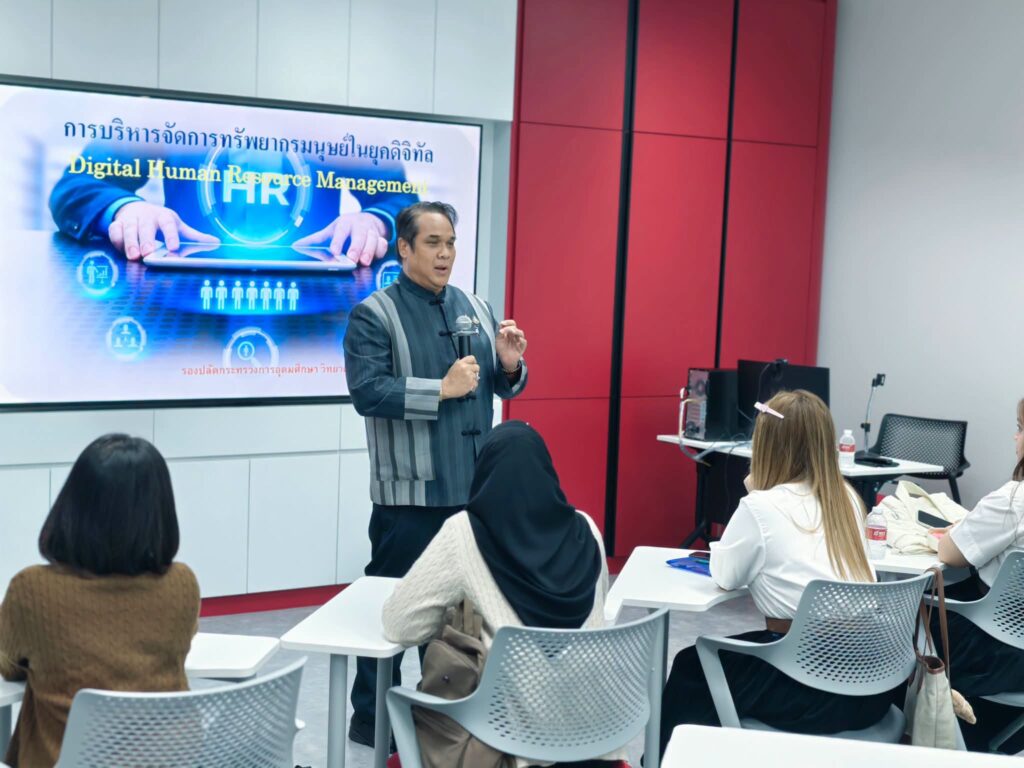
On 18 September 2026, MAHANAKORN welcomed Dr. Phanphoemsak Arunee, Deputy Permanent Secretary of the Ministry of Higher Education, Science, Research and Innovation (MHESI), as a guest lecturer at the MAHANAKORN Bangkok (Asoke) Learning Center.
Speaking on the theme of developing people for the digital age, he led a session within the graduate course Human Resources Management in the Digital Age. The class was hosted by President Assoc. Prof. Dr. Panavy Pookaiyaudom, alongside faculty and students.
Rather than a ceremonial visit, the session put a working national view of workforce development in front of students who are preparing to lead teams and organisations of their own.
What Developing People for the Digital Age Actually Involves
Human resource development used to be understood mainly as training and administration. In a digital economy, it means much more.
Leaders now have to plan for skills that change quickly, reskill teams as roles evolve, and use data to make better decisions about people — not just products. They also have to guide organisations through constant change and help staff adopt new technologies, including AI, in ways that are practical and responsible.
In other words, managing people in the digital age now sits at the intersection of leadership, data and technology. That is a large part of why employers increasingly want managers who understand all three, rather than just one.
Why This Matters If You’re Considering an MBA
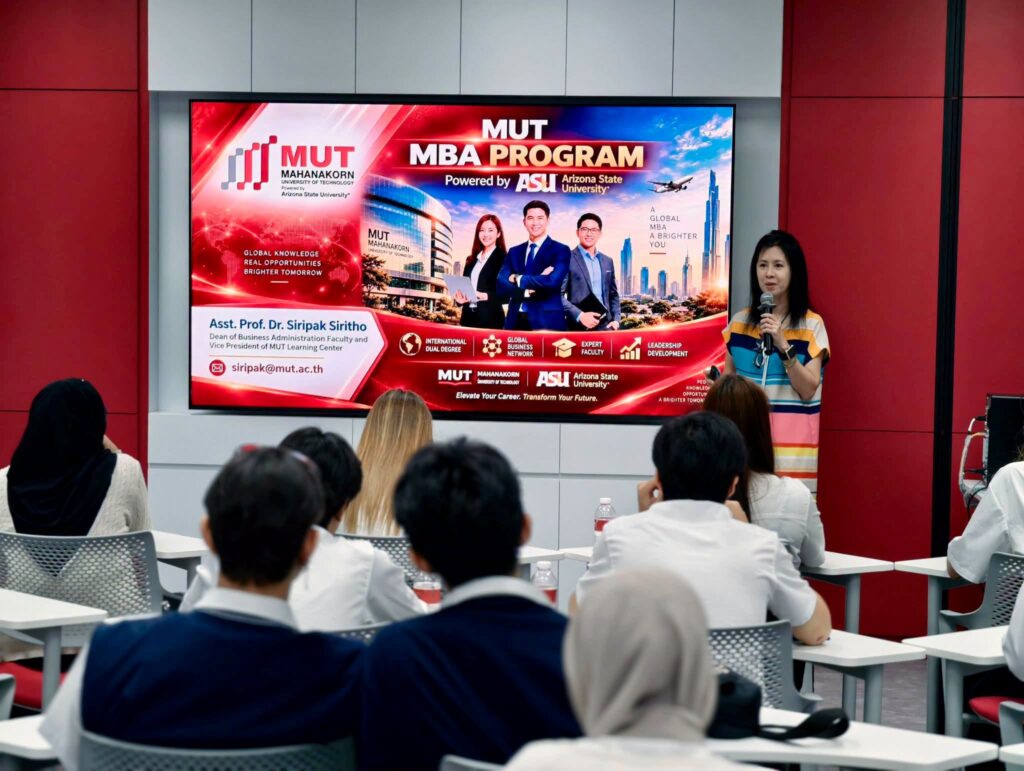
During the session, Asst. Prof. Dr. Siripak Sirito, Vice President for the MAHANAKORN Bangkok (Asoke) Learning Center, connected the discussion to the MAHANAKORN MBA, which blends Business, Data and Technology with a focus on career readiness and future leadership.
For prospective students, that connection is the point. A guest lecture from a national policy leader gives students exposure to how workforce and talent decisions are shaped at a country level, not only inside a single company.
It also shows what postgraduate study in central Bangkok can look like: learning that links management theory with the real demands of a digital economy, meant to be applied at work. For anyone weighing an MBA, that mix — people, data and technology in one conversation — is a useful preview of the skills the next decade of leadership will reward.
Where Could You Take It Next?
MAHANAKORN Bangkok (Asoke) Learning Center
A central-Bangkok hub for postgraduate and professional learning, built to connect academic knowledge with the realities of today’s workplace.
Explore the Bangkok Learning Center →
MBA AI in Business
Develop the strategy and leadership skills to manage AI-enabled organisations and guide teams through digital transformation.
MBA Business Analytics
Learn to turn data into better management decisions — the analytical backbone of leading people and organisations in a digital economy.
Explore MBA Business Analytics →
AI in Business Certificate
A shorter, focused pathway for professionals who want to build applied AI and digital skills without stepping away from work.
Explore the AI in Business Certificate →
In the digital age, technology sets the pace — but it is prepared, adaptable people who decide how far an organisation can actually go.

From Research to Real-World Technology
The future of engineering is increasingly being shaped where artificial intelligence, semiconductor technology, biosensors and healthcare meet.
From 2–4 August 2026, Bangkok became a meeting point for that future as MAHANAKORN joined Imperial College London and Mahidol University in hosting IEEE BioSensors 2026, an international conference supported by the IEEE Sensors Council.
The event brought together researchers, technology developers, healthcare professionals, entrepreneurs and industry representatives to explore how emerging biosensor technologies can move beyond the laboratory and into real-world applications.
For MAHANAKORN, the significance goes beyond hosting an international conference.
It reflects a wider academic environment where engineering, computing and emerging technologies connect with global research and real-world challenges.
28 Countries. 226 Research Submissions. One Global Research Community.
IEEE BioSensors 2026 attracted 226 research submissions from 28 countries, bringing together ideas from across engineering, computing, healthcare and advanced technology.
Research presented at the conference covered areas including:
- Lab-on-a-Chip and DNA Chip technologies
- Wearable and implantable sensing devices
- Immunosensors and biological measurement systems
- Artificial intelligence and machine learning for biosignal analysis
- Optical, electrochemical and point-of-care sensing technologies
These fields may sound highly specialised, but they increasingly overlap.
A future engineer may need to understand software and data alongside electronics, sensing technology and physical systems. That ability to connect disciplines is becoming increasingly important as technology moves into healthcare, industry and everyday life.
Where Engineering Meets Real Problems
One of the most important questions behind the conference was simple:
How does an idea become technology that people can actually use?
Developing a new technology involves much more than creating a prototype.
Research must move through testing, engineering development, manufacturing, regulation and commercialisation before it can become something that reaches people in the real world.
IEEE BioSensors 2026 explored that journey, including the route from laboratory research to market-ready technologies such as point-of-care biosensors.
For students, this is an important view of what modern engineering can become.
Engineering is not only about learning how existing technology works. It is increasingly about learning how to design, test and build what comes next.
A Global Research Connection Beyond the Conference
The conference also builds on MAHANAKORN’s academic connection with Imperial College London through the Semiconductor AI & BioSensor Electronics Research Laboratory, or SABER Lab.
The collaboration brings together expertise across areas including semiconductor technology, artificial intelligence and biosensor electronics.
Relationships like these create an environment where research does not exist in isolation.
They connect universities, researchers, industry and future talent across borders — giving students a clearer view of how the technologies they study can develop into research, innovation and careers.
What Could You Build Next?
The technologies discussed at IEEE BioSensors 2026 bring together several fields that are already shaping tomorrow’s industries.
AI. Data. Electronics. Intelligent sensing. Semiconductor technology.
For students interested in building the technologies behind that future, these areas can begin with the right engineering foundation.
Computer & AI Engineering
Learn how computing, artificial intelligence and data can be used to solve real-world problems — from intelligent systems and automation to technologies that analyse and respond to complex information.
Explore Computer & AI Engineering →
Communication & Electronics Engineering
Build knowledge in electronics, communication systems and connected technologies — the foundations behind sensors, smart devices and many of the systems shaping modern engineering.
Explore Communication & Electronics Engineering →
Curious about where technology could take you?
You do not need to know exactly what you want to build yet.
The important part is starting in an environment where you can explore how engineering, AI and emerging technology connect to the real world.
See where your interests can take you at MAHANAKORN.
Technology Built for the Real World
How can artificial intelligence, satellites and robotics help protect the ocean?
That question was at the centre of the MAHANAKORN Innovation Zone at YOUNG รักษ์ทะเล: SEA THE CHANGE, an exhibition on marine conservation and ocean sustainability held at Siam Paragon from 29 July to 12 August 2026.
During the exhibition, Her Royal Highness Princess Sirivannavari Nariratana Rajakanya visited the Innovation Zone, where MAHANAKORN presented research and technology focused on environmental monitoring and sustainable ocean management.
Rather than presenting technology as separate disciplines, the showcase demonstrated how engineering, artificial intelligence, geospatial data and environmental science can work together to solve real problems.
From Satellite Data to Ocean Intelligence
Projects presented at the Innovation Zone included:
- Earth observation using satellite technology to monitor environmental change
- AI and ocean data analytics to turn complex environmental data into useful insights
- Oil spill detection using satellite imagery and artificial intelligence
- Coral reef monitoring using satellite and field-based environmental data
- Blue carbon and seagrass mapping to study coastal ecosystems
- Robotics and remotely operated vehicles (ROVs) for marine exploration and environmental monitoring
Together, these projects show how technologies often studied separately in the classroom can become much more powerful when they are connected.
A satellite can collect data. AI can help interpret it. Sensors can measure changing conditions. Robotics can reach environments that are difficult for people to access.
The result is engineering that does more than demonstrate technical capability — it can support decisions about ecosystems, pollution and natural resources.
Observe. Understand. Protect.
The Innovation Zone was presented under the idea “Observe • Understand • Protect,” reflecting an approach that moves from gathering data to understanding a problem and ultimately applying technology to create practical impact.
For students, this is also a useful picture of where modern engineering is heading.
The future is increasingly interdisciplinary. Building solutions for challenges such as climate change, environmental monitoring or smart infrastructure may require knowledge across AI, electronics, data, sensors, automation and mechanical systems rather than expertise in only one area.
Where Could You Take It Next?
Students interested in the technologies behind projects like these can begin building the foundations through several areas at MAHANAKORN.
Computer & AI Engineering
Explore how artificial intelligence, computing and data can be used to interpret information and build intelligent systems.
Communication & Electronics Engineering
Build foundations in electronics, communication systems and sensing technologies behind connected devices and monitoring systems.
Mechanical Engineering
Explore automation, robotics and engineering systems that connect digital intelligence with the physical world.
See where technology can take you at MAHANAKORN.
Learning AI Where It Is Being Built
Artificial intelligence is moving quickly from theory into the way technology teams actually work.
On 23 July 2026, MAHANAKORN students from the Faculty of Engineering and Technology joined Agoda Tech Camp Day 11 at Agoda Headquarters in One Bangkok, gaining direct exposure to AI, software development and the working environment of a global technology company.
The experience gave students a closer look at how emerging technologies are being used beyond the classroom — and what skills are becoming more important for careers in the digital economy.
Inside the Agentic AI Workshop
A key part of the day was the workshop:
“Vibe Coding Lab: Building the Future with Agentic AI”
Led by Agoda engineers, the session introduced students to practical AI applications in software development and gave them a clearer view of how new tools are changing the way digital products are built.
For students, that matters because learning about AI is very different from seeing how professionals actually use it in a real technology environment.
The camp helped connect technical knowledge with questions such as:
- How is AI changing software development?
- What skills are technology companies looking for?
- How are engineers adapting as tools become more intelligent?
- What does working inside a global technology company actually look like?
From Classroom Skills to Career Perspective
The program also gave students opportunities to speak with technology professionals, learn about career pathways in the industry and experience the culture of a major international technology company firsthand.
That kind of exposure adds another layer to engineering education.
Technical skills matter, but so does understanding how those skills are applied in real teams, real companies and fast-changing industries.
For students preparing for careers in AI, software, data and digital technology, industry experiences like this can help turn classroom learning into a clearer picture of what comes next.
Where Could This Take You?
Students interested in AI, software and intelligent systems can start building those foundations through:
Computer & AI Engineering
Explore artificial intelligence, software engineering, data and intelligent systems — and how they can be applied to real-world technology challenges.
Explore Computer & AI Engineering →
See where your interests in AI and technology can take you at MAHANAKORN.
Building More Ways to Learn Beyond Borders
International education is about more than studying in another country.
It is about giving students access to different academic environments, new perspectives and networks that extend beyond one campus.
In July 2026, MAHANAKORN welcomed a delegation from James Cook University (JCU), Australia, for discussions focused on expanding academic collaboration and creating more opportunities for students, faculty and researchers.
The visit continued a relationship between the two universities that already includes international study pathways and academic cooperation.
From Partnership to Student Opportunity
Discussions during the visit explored several areas for future collaboration, including:
- student mobility and international learning opportunities
- academic exchange
- collaborative research
- joint doctoral supervision through Cotutelle arrangements
- opportunities connected with Australia’s New Colombo Plan
The aim is not simply to create more agreements.
It is to create more ways for students and academics to study, collaborate and work across countries.
A Pathway to Australia
James Cook University is also one of MAHANAKORN’s international partners within the 2+2 study pathway, where eligible students can begin their degree in Thailand before continuing part of their undergraduate education at a partner university overseas.
Previous collaboration with JCU has included pathways covering engineering fields such as Mechanical Engineering, Civil Engineering and Electrical Engineering.
For students who want an international university experience without starting their entire degree abroad from day one, this creates another way to build a global academic journey step by step.
Why Global Exposure Matters
Studying in a different academic environment can challenge students to adapt to new ways of learning, working and communicating.
That experience can become increasingly valuable as careers themselves become more international.
Engineers may work with teams across countries. Business graduates may manage international markets. Researchers may collaborate across institutions and disciplines.
Global exposure helps students prepare for that reality before graduation.
Where Could Your Degree Take You?
Students interested in combining their studies at MAHANAKORN with an international university experience can explore:
Global Pathways
Discover study pathways designed to connect your degree at MAHANAKORN with partner universities overseas.
For students interested in engineering pathways connected with JCU:
Civil Engineering
Build foundations in infrastructure, structures and the systems behind the built environment.
Mechanical Engineering
Explore engineering design, machines, energy and systems that connect theory with real-world applications.
Communication & Electronics Engineering
Develop knowledge in electronics, communication systems and technologies behind an increasingly connected world.
Your degree can begin in Bangkok — and take you much further.
Why Photonic Chips Matter
As AI systems become more powerful, the demand for faster data processing and lower energy consumption continues to grow.
That is where photonic chips are becoming increasingly important.
Instead of relying only on electrical signals, photonic technology uses light to transmit and process information. This can help improve speed, reduce energy use and support applications such as AI, data centers and high-speed communications.
For students interested in future technology, photonics is a good example of how electronics, communication systems, computing and advanced manufacturing are beginning to overlap.
Inside SMART Photonics
During the Netherlands mission, MAHANAKORN joined a visit to SMART Photonics, a leading photonic-chip manufacturer.
The visit provided a closer look at how photonic technologies move from research into production and how specialised manufacturing ecosystems are built around them.
What makes photonic chips especially interesting is their potential role in systems that need to move huge amounts of data quickly and efficiently.
That includes the infrastructure behind:
- artificial intelligence
- cloud computing
- data centers
- high-speed communications
- advanced sensing
- future digital infrastructure
A Different Path into Advanced Chip Manufacturing
The mission also highlighted a strategic difference between photonic-chip production and traditional semiconductor fabrication.
According to the university’s report, the SMART Photonics model uses an investment scale of around THB 5.6 billion, significantly lower than the capital typically required for a conventional semiconductor fabrication plant.
That difference matters because it suggests another possible route for countries looking to build deeper capabilities in advanced chip technology.
For Thailand, the opportunity is not only about manufacturing.
It is also about developing the engineers, researchers and technical specialists needed to support photonics, semiconductors, AI and advanced electronics.
From Technology to Talent
MAHANAKORN’s role in this area connects with its wider work in semiconductor education, research and workforce development.
The university has been involved in national and international initiatives covering photonics, power electronics, biosensors and Lab-on-Chip technologies, alongside semiconductor talent development and research collaboration.
For students, that means emerging technologies such as photonic chips are not isolated research topics.
They sit inside a much larger ecosystem that combines:
- electronics
- communication systems
- AI
- data
- advanced manufacturing
- research and innovation
Where Could You Take It Next?
Students interested in the technologies behind photonics and advanced chips can begin building relevant foundations through:
Communication & Electronics Engineering
Develop knowledge in electronics, communication systems, circuits and technologies connected with high-speed communications, sensing and advanced electronic devices.
Explore Communication & Electronics Engineering →
Computer & AI Engineering
Build foundations in computing, artificial intelligence and data — increasingly important across data centers, intelligent systems and advanced digital infrastructure.
Explore Computer & AI Engineering →
Mechanical Engineering
Explore engineering systems, automation and advanced manufacturing technologies that support modern high-tech industries.
Explore Mechanical Engineering →
The technologies powering the future of AI will depend not only on better software, but on better hardware and the people who know how to build it.
Inside a World-Class Semiconductor Research Ecosystem
The semiconductor industry does not grow through technology alone.
It also depends on research institutions, universities, industry and government working together to move ideas from fundamental research into real products and real economic impact.
On 19 June 2026, MAHANAKORN joined a Thai delegation visiting imec in Belgium, one of the world’s leading research centres in microelectronics and semiconductor technology. The visit focused on understanding how imec connects advanced research, technology development and industry collaboration within one innovation ecosystem.
From Research to Real Industry
imec works across areas including microchips, artificial intelligence, advanced electronics, quantum technology and future digital systems, collaborating with technology companies and universities around the world.
During the visit, the delegation studied how imec develops innovation across the full technology journey:
- fundamental research
- prototype development
- technology transfer
- collaboration with industry
- support for deep-tech startups
- development of new researchers and technical talent
That journey matters because a breakthrough in the laboratory is only the beginning.
For technology to create real impact, it must eventually be engineered, tested, scaled and connected with industries capable of bringing it into the world.
Why the Ecosystem Matters
The visit also included imec’s advanced research infrastructure and laboratories, where semiconductor technologies are developed from early-stage research through to applications connected with industry.
What stands out is not simply the scale of the facilities.
It is the connection between knowledge, people and industry.
Researchers generate new ideas.
Engineers turn them into working technologies.
Universities develop the people who will continue building them.
Industry brings those technologies to scale.
For students preparing for careers in advanced technology, understanding that ecosystem can be just as important as understanding the technology itself.
Building Talent for the Semiconductor Future
MAHANAKORN also presented its role in developing semiconductor talent through its National Semiconductor Training Center, as Thailand works to strengthen its capabilities in advanced electronics and future industries.
The visit created an opportunity to exchange ideas around workforce development, research training and ways universities can connect technical education more closely with global technology ecosystems.
For students, that means engineering education should not stop at theory.
It should help them understand how their skills can connect with research, industry and technologies being developed around the world.
Where Could You Take It Next?
Students interested in semiconductor technology and advanced electronics can begin building relevant foundations through:
Communication & Electronics Engineering
Develop knowledge in electronics, circuits, communication systems and technologies connected with advanced electronics and semiconductor applications.
Explore Communication & Electronics Engineering →
Computer & AI Engineering
Build foundations in computing, artificial intelligence and data — increasingly important across intelligent devices, automation and future semiconductor systems.
Explore Computer & AI Engineering →
Mechanical Engineering
Explore engineering systems, automation and advanced manufacturing technologies that support high-tech industries.
Explore Mechanical Engineering →
The future of semiconductor technology is built by people who can connect research, engineering and industry.
Learning from One of Europe’s Strongest Technology Ecosystems
The semiconductor industry is built on more than advanced machines.
It depends on universities, researchers, engineers, manufacturers and technology companies working as one connected ecosystem.
In June 2026, MAHANAKORN joined Thailand’s national mission to the Netherlands and Belgium to study how that ecosystem operates in Europe, with a particular focus on Brainport Eindhoven, ASML and Eindhoven University of Technology (TU/e).
The mission focused on understanding how world-class research, education and industry can work together to develop both technology and the people behind it.
Inside the Brainport Model
Brainport Eindhoven is known for bringing together technology companies, universities, research organisations and highly skilled talent within one innovation region.
During the mission, the Thai delegation studied the Brainport model and held discussions with ASML and TU/e, two major parts of Europe’s advanced technology ecosystem.
For Thailand, the lesson goes beyond copying a single technology.
The bigger question is how to build an environment where:
- universities develop relevant engineering talent
- researchers work closely with industry
- companies gain access to skilled people and innovation
- students understand how their knowledge connects with real technology sectors
That connection is becoming increasingly important as semiconductor and advanced electronics industries continue to expand.
Why Talent Matters as Much as Technology
Advanced semiconductor systems require highly specialised knowledge across electronics, materials, computing, automation and manufacturing.
Thailand’s national strategy therefore places strong emphasis on developing a workforce capable of supporting industries such as chips, AI and future technologies. MAHANAKORN is also one of three Thai universities appointed as a National Semiconductor Training Center, with a role in developing semiconductor and advanced-electronics talent.
That role connects education directly with national technology development.
It means preparing students not only to understand engineering fundamentals, but also to see how those skills fit into a much larger global industry.
From University to Industry Ecosystem
Visits to organisations such as ASML and TU/e provide a clearer view of how technology moves from research into industry.
Universities help develop knowledge and talent.
Research turns ideas into new technologies.
Industry scales those technologies into systems used around the world.
For students, understanding those connections can make engineering feel less abstract.
What begins in a classroom may eventually connect with semiconductor design, automation, advanced manufacturing, artificial intelligence or global technology research.
Where Could You Take It Next?
Students interested in the technologies behind the semiconductor ecosystem can begin building relevant foundations through:
Communication & Electronics Engineering
Develop knowledge in electronics, circuits, communication systems and technologies connected with advanced electronics and semiconductor applications.
Explore Communication & Electronics Engineering →
Computer & AI Engineering
Build foundations in computing, artificial intelligence and data — increasingly important across intelligent systems, automation and advanced technology.
Explore Computer & AI Engineering →
Mechanical Engineering
Explore engineering systems, automation, design and manufacturing technologies that support modern high-tech industries.
Explore Mechanical Engineering →
The semiconductor industry is global. Understanding how its ecosystem works is one step toward becoming part of it.
Building the Talent Behind Future Technology
Semiconductors sit behind many of the technologies shaping modern life — from AI and robotics to smart devices, electric vehicles and advanced communications.
In June 2026, MAHANAKORN was designated by Thailand’s Ministry of Higher Education, Science, Research and Innovation as a key operational unit for collaboration with the University of Twente in the Netherlands, with a focus on semiconductor workforce development, research and innovation.
The partnership is designed to strengthen how Thailand develops the people and research capabilities needed for advanced electronics and future industries.
For MAHANAKORN, that means being part of a larger international ecosystem connecting education, research and industry.
Three Areas of Collaboration
The collaboration focuses on three main areas:
- Workforce Development and Education
Developing curricula, training opportunities, student and researcher exchanges, and upskilling pathways for the semiconductor sector. - Advanced Research and Innovation
Expanding work in areas such as photonics, power electronics, biosensors and Lab-on-Chip technologies. - International Network Building
Creating joint research projects, collaborative laboratories and connections with universities, research institutes and global industry partners.
These areas reflect how semiconductor education is evolving.
The industry does not need technical knowledge alone. It needs people who can move between engineering, electronics, computing, research and international collaboration.
Why Semiconductor Talent Matters
Thailand’s semiconductor and advanced electronics workforce plan for 2026–2030 aims to develop approximately 84,900 highly skilled professionals and 1,780 researchers, while demand across smart electronics and robotics is projected to reach as many as 226,000 personnel over the same period.
That scale shows why education and research have become such an important part of the semiconductor conversation.
Building factories and infrastructure is only part of the equation.
The industry also needs engineers, researchers and technical specialists who understand how these systems are designed, developed and improved.
Connecting Students to a Global Research Ecosystem
The University of Twente is internationally active in fields closely connected with semiconductors, electronics and advanced engineering.
Through this partnership, MAHANAKORN is positioned to support more opportunities around student exchange, researcher mobility, collaborative projects and international research networks.
For students, that creates a clearer connection between what they study and the wider technology ecosystem beyond Thailand.
A degree can begin with fundamentals in electronics, AI or engineering systems — and develop toward research, advanced technology and international collaboration.
Where Could You Take It Next?
Students interested in the technologies behind the semiconductor industry can begin building relevant foundations through:
Communication & Electronics Engineering
Explore electronics, communication systems, circuits and technologies connected with advanced electronics and semiconductor applications.
Explore Communication & Electronics Engineering →
Computer & AI Engineering
Build skills in computing, artificial intelligence and data — increasingly important across intelligent devices, automation and future technology systems.
Explore Computer & AI Engineering →
Mechanical Engineering
Develop foundations in engineering systems, automation and advanced manufacturing that connect with modern high-tech industries.
Explore Mechanical Engineering →
The future of semiconductor technology depends on more than chips. It depends on the people who know how to build what comes next.